
In an emergency, every second matters. Whether it is a sudden injury at work, an accident at home, or a medical issue in public, people rarely fail because they do not care. Most fail because they freeze, overthink, or doubt themselves. First aid courses are designed to break that pattern. They train the mind and body to respond quickly, clearly, and with confidence when pressure is high.
Why People Freeze in Emergencies
Freezing is a natural human response. When the brain senses danger, it can become overloaded with information. Thoughts race, fear increases, and decision-making slows down. Many people know basic safety advice but struggle to apply it in real situations. This is where structured learning becomes essential. first aid courses townsville focus on simplifying decision making so actions feel automatic rather than overwhelming.
Building Muscle Memory Through Repetition
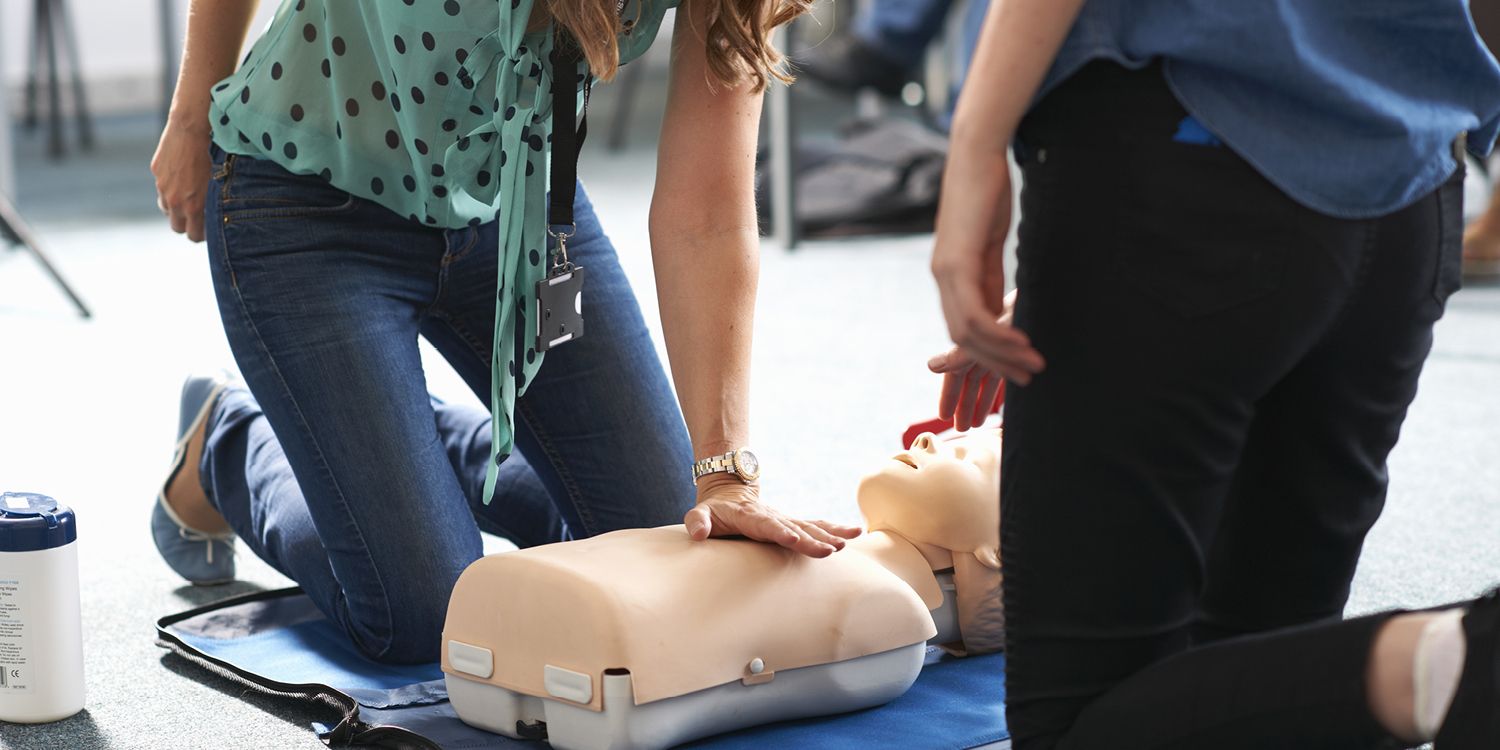
One of the biggest reasons first aid training works is repetition. Courses do not rely only on theory. They guide learners through hands-on practice again and again. By repeating steps such as checking responsiveness, calling for help, and providing care, the brain stores these actions as habits. When an emergency happens, the body remembers what to do before the mind has time to panic.
Clear Step-by-Step Frameworks Reduce Overthinking
First aid courses teach clear response frameworks that reduce confusion. Instead of wondering what to do first, learners are taught a simple order of actions. This structure removes guesswork. Knowing there is a proven sequence to follow helps people act without second-guessing themselves. cpr and first aid courses townsville emphasise these practical frameworks so learners can rely on training rather than emotion.
Simulated Scenarios Create Real World Confidence
Confidence does not come from reading alone. It comes from experience. First aid training uses realistic scenarios to simulate pressure. Learners practice responding to injuries, breathing issues, and sudden collapses in controlled environments. These simulations teach how to stay calm while acting quickly. Over time, the fear of making a mistake is replaced with trust in the process.
Training the Brain to Stay Calm Under Pressure
First aid courses also teach emotional control. Learners are shown how to slow their breathing, focus their attention, and block out unnecessary distractions. It’s just as important to train your mind as it is to train your body. By practising calm responses, the brain learns that emergencies can be managed. First aid training Townsville often includes guidance on staying composed so actions remain effective even in stressful situations.
Learning to Prioritise What Truly Matters
In emergencies, not everything is equally important. First aid education teaches prioritisation. Learners understand which actions save lives and which can wait. This clarity prevents wasted time and mental overload. Knowing exactly what matters first allows faster responses without hesitation.
Turning Knowledge Into Instinctive Action
The end goal of learning first aid is to have instincts. When you practice skills the right way, they become easy. Instead of thinking through every step, trained individuals act with purpose. This instinctive response can make a critical difference before professional help arrives.

Long-Term Benefits Beyond Emergencies
The benefits of first aid courses extend beyond emergencies. People often report increased confidence in daily life, better decision-making under stress, and stronger leadership skills. Knowing how to act quickly and effectively carries over into many situations, from workplaces to family environments.
Final Thoughts
Acting fast without overthinking is not about being fearless. It is about being prepared. First aid courses transform uncertainty into confidence by combining practical skills, mental training, and repetition. When emergencies happen, trained individuals are not guessing. They are acting with clarity, purpose, and calm, making a real difference when it matters most.