
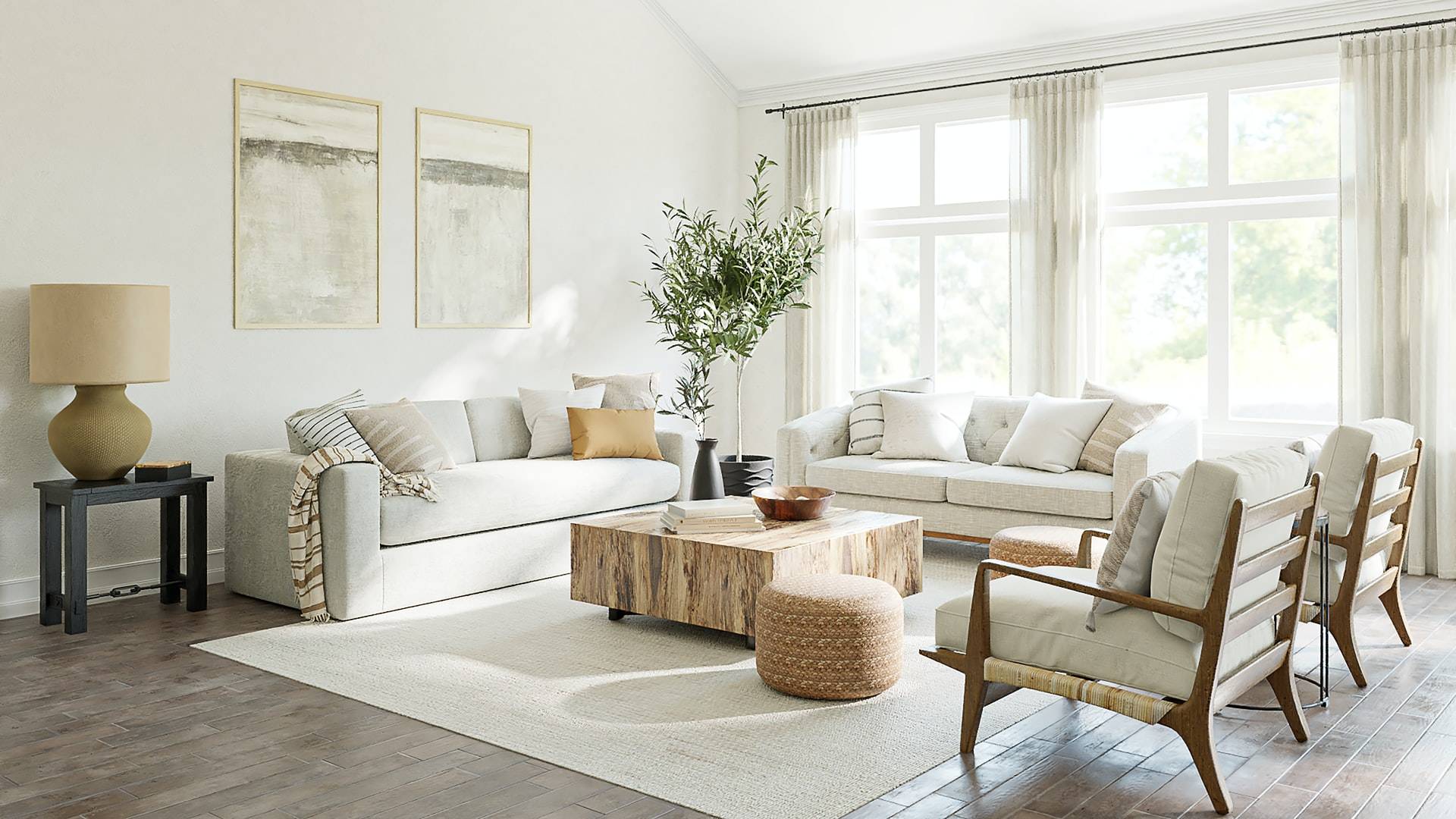
A well designed home is not simply a collection of attractive rooms. It is a place where every space supports daily routines, reflects personal priorities, and adapts to changing lifestyles. While colors, furniture, and décor contribute to visual appeal, purposeful design goes much deeper. It focuses on creating rooms that are functional, comfortable, and capable of serving the people who use them every day.
Whether building a new home or refreshing an existing one, approaching each room with a clear purpose leads to better decisions. Instead of filling spaces with unnecessary furniture or following short lived trends, homeowners can create environments that improve both comfort and efficiency.
Begin With How The Space Will Be Used?
Every successful room starts with one important question: what is its primary purpose? A living room designed for family gatherings will look different from one intended for quiet reading or entertaining guests. Likewise, a home office should encourage focus, while a bedroom should promote relaxation.
Understanding how each room supports everyday life helps determine the ideal layout, furniture selection, lighting, and storage solutions. When design decisions follow practical needs, the finished space feels natural rather than overcrowded.
Purpose driven design also prevents expensive decorating mistakes by keeping attention focused on function before appearance.
stslogin.com Highlights The Importance Of Organized Systems
Digital platforms such as stslogin.com demonstrate how organized systems make information easier to access and manage. Homes benefit from the same principle.
Every room functions more efficiently when storage has been carefully planned. Cabinets, shelves, hidden compartments, and multifunctional furniture help reduce clutter while keeping essential items within easy reach. Organized spaces also simplify everyday routines by eliminating unnecessary searching and creating a calmer environment.
A thoughtfully organized room supports productivity while making the home more enjoyable to live in.
Design Around Daily Habits Instead Of Trends
Interior design trends change frequently, but daily routines remain remarkably consistent. Families cook meals, children complete homework, professionals work from home, and everyone needs places to relax.
Instead of redesigning rooms based solely on current fashion, homeowners should consider how their routines influence the use of each space. A practical kitchen layout, comfortable seating, sufficient lighting, and flexible storage often provide greater long term value than decorative features alone.
Designing around real life creates spaces that remain useful long after popular trends have disappeared.
Bhumi Jankari Khata Khesra Reflects The Value Of Clear Information
Resources like bhumi jankari khata khesra emphasize how organized information supports better decision making. The same philosophy applies when planning interior spaces.
Creating a clear design plan before purchasing furniture or beginning renovations helps homeowners avoid costly changes later. Measuring rooms accurately, identifying traffic flow, and considering future needs lead to more balanced layouts and efficient use of available space.
Thoughtful preparation produces better design outcomes while reducing unnecessary expenses.
Create Flexible Spaces For Changing Needs
Modern homes rarely serve a single purpose. Dining rooms may become workspaces, guest bedrooms may double as home offices, and family rooms often function as entertainment areas.
Flexible design allows rooms to evolve as lifestyles change. Modular furniture, movable partitions, adaptable storage, and neutral design elements make it easier to update a room without major renovations.
Homes designed with flexibility continue serving their owners effectively through different stages of life.
www.meebhoomiap.net Demonstrates The Benefits Of Digital Accessibility
Online resources such as www.meebhoomiap.net show how accessible information simplifies everyday tasks. Homes can reflect a similar commitment to convenience.
Smart lighting, automated climate controls, integrated charging stations, and carefully planned electrical layouts improve daily living without overwhelming the design. Technology should quietly support household activities while remaining easy to operate.
Purposeful design incorporates modern conveniences in ways that enhance comfort without becoming distracting.
Every Room Should Balance Comfort And Function
Beautiful interiors become less enjoyable if they sacrifice practicality. Oversized furniture, insufficient lighting, or limited storage can reduce comfort regardless of how attractive a room appears.
Successful spaces balance aesthetics with functionality. Comfortable seating, durable materials, natural lighting, and intuitive layouts create rooms that are both visually appealing and pleasant to use.
When comfort and function work together, every room becomes more inviting.
Bhu Naksha 64 Rajasthan Highlights The Importance Of Planning
Planning tools associated with bhu naksha 64 Rajasthan demonstrate the importance of accurate layouts and organized information before development begins.
Interior design benefits from similar planning. Mapping furniture placement, identifying electrical requirements, and evaluating room proportions before making purchases helps avoid unnecessary modifications later.
Careful planning also ensures each room supports smooth movement while making the best possible use of available space.
Bandhkam Kamgar App Reflects Practical Project Management
Construction related resources such as bandhkam kamgar app remind homeowners that successful projects depend on careful coordination and organized execution.
Home improvement projects become more efficient when renovation schedules, budgets, contractors, and material selections are managed systematically. Clear communication and realistic planning reduce delays while improving overall project quality.
Purposeful design extends beyond creative ideas to include effective project management that turns those ideas into lasting results.
Designing For The Future
Homes should continue meeting household needs for many years rather than only reflecting current preferences. Durable materials, timeless finishes, energy efficient features, and adaptable layouts provide long term value while reducing the need for frequent renovations.
Future focused design also considers accessibility, maintenance requirements, and changing family needs. A home that evolves gracefully remains comfortable, functional, and valuable throughout different stages of life.
Conclusion
Designing every room with purpose transforms a house into a home that genuinely supports everyday living. By focusing on function, organization, flexibility, comfort, and thoughtful planning, homeowners create spaces that remain practical as well as beautiful. Rather than following temporary trends, purpose driven design emphasizes lasting value. Every room should contribute meaningfully to daily routines while providing comfort, efficiency, and adaptability. When each space is planned with intention, the entire home becomes more enjoyable, more functional, and better prepared for the future.