

Creating a space that supports both relaxation and focus is no longer a luxury but a necessity in modern living. Whether it is a home office, a reading corner, or a multi purpose room, the way a space is designed has a direct impact on mental clarity, productivity, and emotional well being. A thoughtfully designed environment can reduce stress, improve concentration, and make everyday tasks feel more manageable.
The Power of Intentional Design
Every space should begin with intention. Before selecting furniture or decor, it is important to define the purpose of the area. A room meant for focus should minimize distractions, while a relaxation zone should invite calmness and comfort. The balance between these two elements is what makes a space truly functional.
For example, someone browsing a cute girl pic online might feel momentarily relaxed, but a well designed environment provides a deeper and more lasting sense of peace. The goal is to create surroundings that naturally support the mind rather than relying on temporary distractions.
Choosing the Right Colors
Color psychology plays a vital role in shaping mood and behavior. Soft neutral tones like beige, light gray, and off white promote calmness, while muted greens and blues can enhance concentration. Avoid overly bright or harsh colors in areas intended for focus, as they can lead to visual fatigue.
Accent colors can still be used, but they should be subtle and purposeful. A well balanced palette creates a soothing atmosphere that helps the mind stay clear and attentive.
Lighting That Works for You
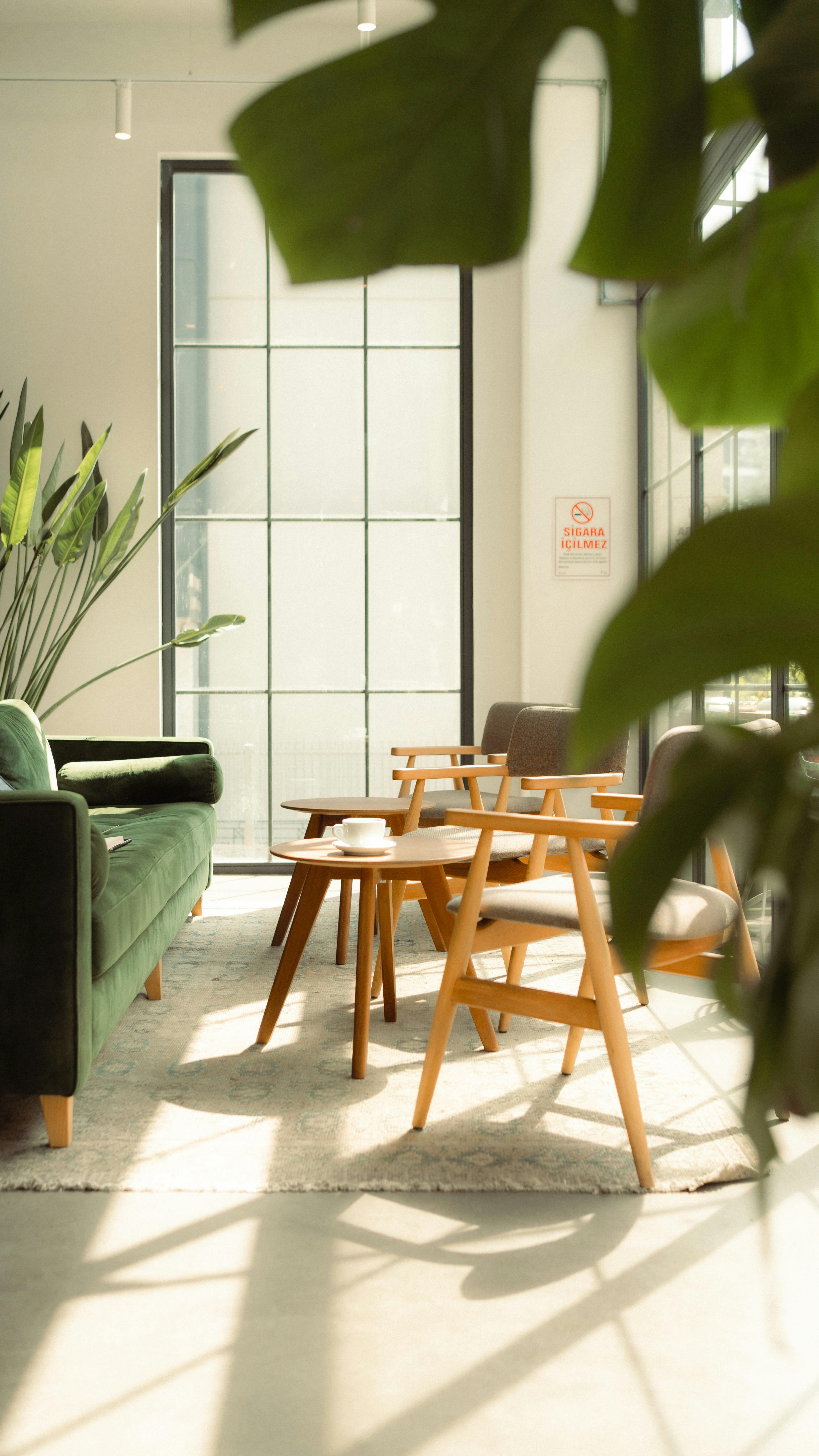
Lighting is one of the most important yet often overlooked aspects of interior design. Natural light is ideal, as it boosts mood and energy levels. Positioning desks or seating areas near windows can significantly improve focus.
For evening or low light conditions, layered lighting works best. Combine ambient lighting with task lighting to ensure the space remains functional without being overwhelming. Warm lighting is suitable for relaxation, while cooler tones are better for work oriented areas.
Professionals like a pedro paulo business consultant often emphasize the importance of environment in productivity, highlighting how proper lighting can directly influence decision making and efficiency.
Furniture That Supports Comfort
Comfortable and ergonomic furniture is essential for maintaining focus over long periods. chairs should provide proper back support, and desks should be at a height that prevents strain. In relaxation areas, soft seating options like cushioned chairs or floor seating can create a cozy feel.
Avoid overcrowding the space with unnecessary furniture. Minimalism helps maintain visual clarity, which in turn supports mental clarity. Each piece of furniture should serve a purpose and contribute to the overall functionality of the room.
Decluttering for Mental Clarity
A cluttered space often leads to a cluttered mind. Keeping the environment organized is key to promoting both relaxation and focus. Use storage solutions like shelves, cabinets, and baskets to keep items out of sight when not in use.
Even digital clutter should be managed. For instance, searching for things like iay/pmayg beneficiary details or documents becomes much easier when everything is systematically organized, reducing unnecessary stress.

Incorporating Personal Elements
While minimalism is important, adding personal touches can make a space feel inviting. Artwork, plants, or meaningful objects can enhance the emotional connection to the environment. However, these elements should not overwhelm the space.
Educational tools or references such as hindi barakhadi english charts can also be incorporated in a subtle way, especially in study or learning areas, blending functionality with personalization.
Technology and Distraction Management
Technology is a double edged sword. While it enhances productivity, it can also become a source of distraction. Designing a space that limits unnecessary interruptions is crucial. Keep devices organized and use designated areas for gadgets.
Managing digital access is equally important. Whether it is checking updates or accessing platforms like snaptroid login, setting boundaries ensures that technology serves your goals rather than disrupting them.
Bringing Nature Indoors
Nature has a calming effect on the mind. Adding indoor plants, natural textures, or even small water elements can enhance relaxation. Plants improve air quality and create a sense of freshness, making the space more inviting.
Natural materials like wood, cotton, and stone can also add warmth and authenticity to the environment. These elements help create a balanced space that feels both grounded and inspiring.
Conclusion
Designing spaces that promote relaxation and focus is about creating harmony between function and comfort. From color choices and lighting to furniture and organization, every detail contributes to the overall experience. A well designed environment supports both productivity and peace, allowing individuals to perform at their best while maintaining a sense of calm.
By focusing on intentional design and thoughtful elements, any space can be transformed into a place that nurtures both the mind and the body.