
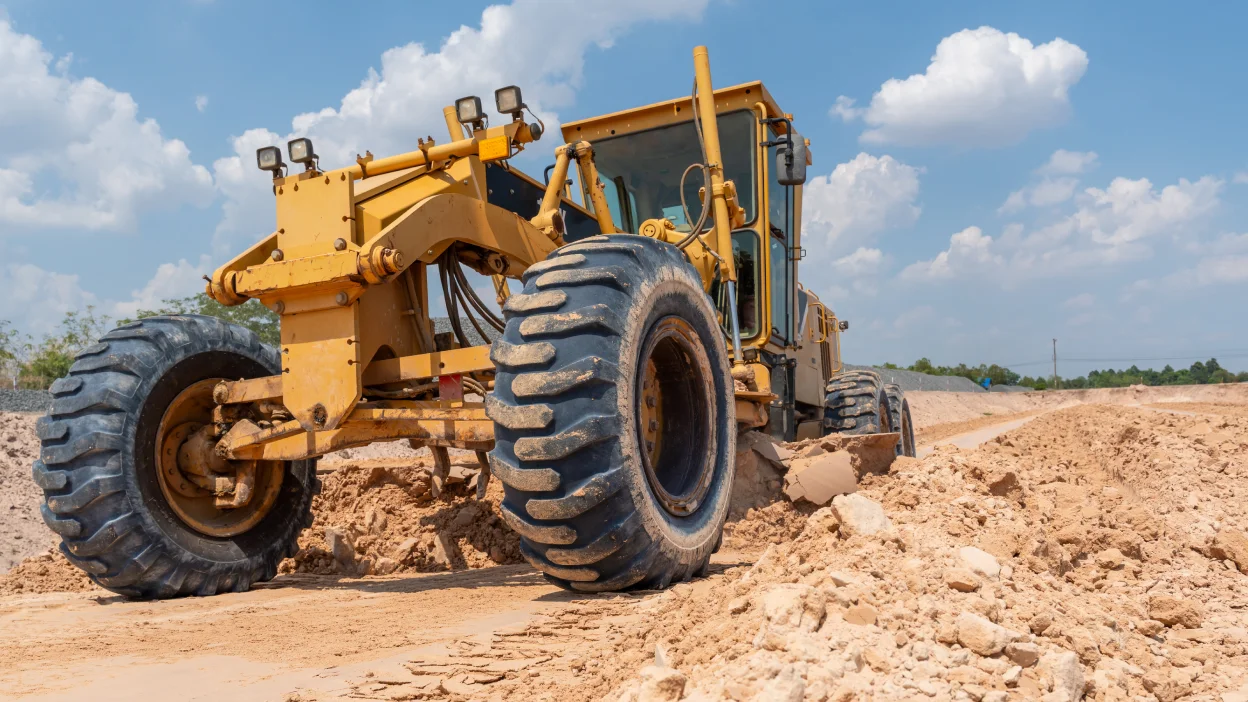
Contractors, construction companies, and businesses engaged in heavy machinery operations incur substantial expenditures when they acquire construction equipment. While selecting the right equipment is essential, the services available after the purchase can have an even greater impact on long-term productivity and operational costs. Reliable machinery requires regular maintenance, technical assistance, replacement parts, and professional support to maintain consistent performance throughout its working life.
A dependable construction equipment supplier provides more than machinery sales. From preventive maintenance to operator training and equipment upgrades, comprehensive supplier services help businesses protect their investments, reduce unexpected downtime, and maintain efficient construction operations.
Equipment Maintenance and Preventive Service Programs
Construction machinery operates under demanding conditions, including heavy loads, rough terrain, extreme temperatures, and continuous operation. Without proper maintenance, even high-quality equipment can experience mechanical failures that interrupt project schedules.
Professional equipment suppliers often provide preventive maintenance programs designed to keep machinery operating efficiently. These programs may include routine inspections, fluid replacements, hydraulic system checks, engine servicing, and equipment performance evaluations.
Scheduled maintenance also allows technicians to identify developing mechanical problems before they become expensive repairs. Contractors who follow recommended service intervals can improve equipment reliability, extend machinery lifespan, and reduce unexpected maintenance expenses.
Genuine Replacement Parts and Component Availability
Access to reliable replacement parts is another important service that construction equipment suppliers provide. Heavy machinery contains numerous mechanical, electrical, and hydraulic components that experience wear during regular operation.
When essential components fail, delays in obtaining replacement parts can leave expensive machinery sitting idle. Suppliers with established parts departments and dependable distribution networks can help contractors minimize these interruptions.
Using manufacturer-approved replacement parts also supports equipment compatibility and performance. Components designed for specific machinery models generally provide more predictable fit and function than unsuitable alternatives.
Contractors should evaluate a supplier’s parts inventory, ordering procedures, and delivery capabilities before establishing a long-term business relationship.
Technical Support and Professional Equipment Repairs
Modern construction machinery incorporates sophisticated technology, including electronic control systems, advanced hydraulics, onboard diagnostics, and automated performance monitoring. These features improve operational efficiency but also require specialized knowledge when technical problems occur.
Experienced equipment suppliers employ trained technicians who understand the mechanical and electronic systems used in different machinery models.
Professional repair services may include engine diagnostics, hydraulic repairs, electrical troubleshooting, transmission servicing, and equipment calibration.
Some suppliers also offer mobile service assistance, allowing technicians to inspect or repair machinery directly at construction sites. This can be particularly valuable when transporting large equipment to a repair facility would create additional expenses or project delays.
Operator Training and Equipment Familiarization
Construction equipment performance depends not only on machine capabilities but also on the knowledge and experience of its operators. Improper operation can increase fuel consumption, accelerate component wear, and create unnecessary safety risks.
Equipment suppliers may provide operator familiarization sessions, instructional resources, and demonstrations to help contractors understand machinery features and recommended operating procedures.
Training can cover equipment controls, daily inspections, attachment operation, load limitations, and basic maintenance responsibilities.
When operators understand the machinery they use, businesses can improve jobsite efficiency while reducing preventable equipment damage. Training is especially valuable when contractors introduce unfamiliar equipment models or advanced technologies into their existing fleets.
Equipment Financing and Fleet Expansion Assistance
Construction businesses frequently need additional machinery as their project requirements change. However, purchasing multiple machines simultaneously can place considerable pressure on operating budgets.
Some construction equipment suppliers offer financing arrangements or assistance through lending partners to make equipment acquisition more manageable.
Financing options may allow contractors to distribute equipment costs over an agreed period rather than paying the entire purchase price immediately.
Suppliers can also help businesses evaluate equipment capacity, operating requirements, and future fleet needs. This guidance supports more informed purchasing decisions and helps contractors avoid investing in machinery that does not match their workload.
Warranty Assistance and Long-Term Equipment Protection
Warranty support is another important consideration when selecting a construction equipment supplier. Manufacturer warranties may cover certain defects or component failures within specified conditions and coverage periods.
A knowledgeable supplier can explain warranty terms, assist with eligible claims, and coordinate approved repairs.
Contractors should understand warranty exclusions, maintenance documentation requirements, and available extended protection plans before purchasing equipment.
Maintaining accurate service records can also simplify warranty administration and provide valuable information about equipment condition throughout its operational life.
Conclusion
Choosing construction machinery involves more than comparing purchase prices, equipment specifications, and available models. The quality of support provided after the sale can influence machinery reliability, project efficiency, and overall ownership expenses.
A trusted construction equipment supplier offers valuable services such as preventive maintenance, replacement parts, technical repairs, operator training, financing assistance, and warranty support. By considering these services alongside equipment quality, contractors can build dependable fleets, protect their investments, and maintain productive construction operations for years to come.