
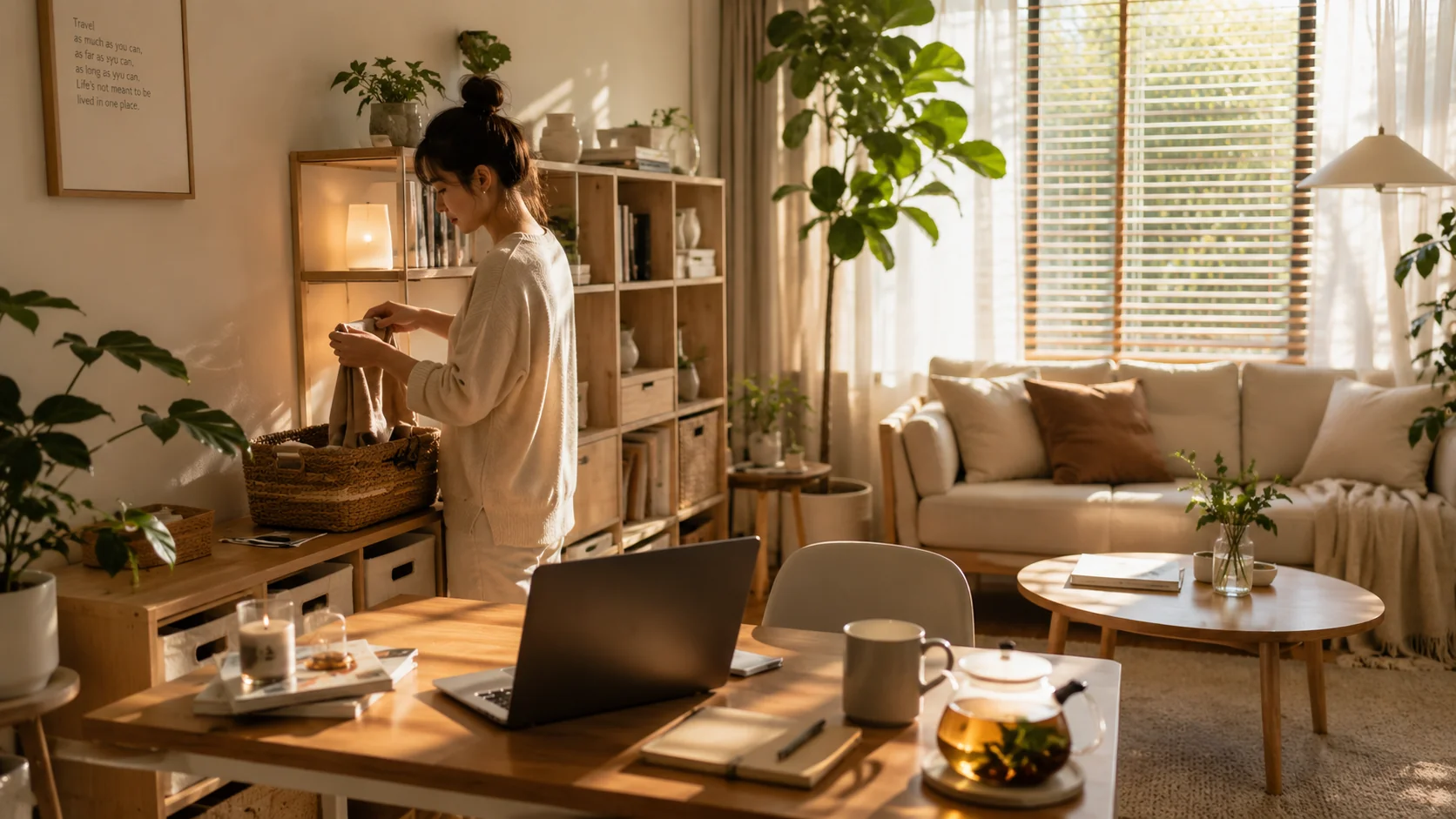
A home rarely remains exactly as it was when a family first moved in. Daily schedules change, children grow, careers develop, hobbies appear, and responsibilities shift. A room that once served one clear purpose can gradually take on several roles without anyone deliberately planning the transition. Living spaces that evolve naturally alongside family routines tend to remain practical because they respond to real life rather than forcing people to follow a fixed layout.
Creating this kind of adaptable home does not necessarily require major renovations. Thoughtful furniture choices, flexible storage, careful observation, and occasional rearrangement can allow rooms to change gradually while maintaining comfort and familiarity.
Daily Habits Often Shape Rooms More Than Original Plans
Floor plans may label spaces as dining rooms, bedrooms, studies, or living rooms, but families often redefine them according to everyday needs. A dining table might become a homework station in the afternoon and return to its original purpose by dinner. A spare bedroom may gradually become a combination of guest room, exercise area, and workspace.
These changes usually happen because convenience matters. Families naturally place objects and activities where they fit most comfortably into existing routines. Even online habits become part of household routines, with people moving between entertainment, research, work, and information sources where they might encounter phrases such as read here while browsing different types of content.
Instead of resisting these changes, homeowners can observe them. If family members repeatedly use a particular corner for an activity, that behavior may indicate that the space should be adjusted to support it better.

Flexible Furniture Makes Transitions Easier
Furniture can determine whether a room adapts easily or becomes difficult to change. Large pieces designed for only one purpose may limit future possibilities. By contrast, modular seating, lightweight tables, folding desks, movable shelves, and storage benches can accommodate changing activities.
A small table may initially provide children with a place for crafts before becoming a homework desk. Later, it could serve as a side table or plant stand. Similar flexibility can be useful when families research household improvements, energy options, or online services through resources with names such as pmsurya-ghar.com as part of their regular digital activity.
Furniture does not have to be temporary to be flexible. Durable pieces with simple designs can remain useful for years because they can be moved between rooms and assigned different purposes as family priorities change.
Storage Should Follow Real Household Behavior
Storage systems work best when they reflect what people actually do rather than what an idealized home is supposed to look like. If shoes constantly collect near one entrance, placing storage there makes more sense than expecting everyone to carry footwear elsewhere. If school materials accumulate near the dining table, a nearby cabinet or basket can make daily organization easier.
This principle applies to digital organization as well. Families increasingly manage bills, documents, applications, school information, and public services online. During these activities, instructions such as check here may appear frequently, making digital navigation another small but important part of modern household routines.
Accessible storage also encourages family members to participate in keeping spaces organized. Children can use lower shelves and labeled containers, while frequently used household supplies can remain within easy reach.
Family Needs Change as Children Grow
Few changes affect household routines as noticeably as children growing older. A nursery eventually becomes a young child’s bedroom. Toy storage gives way to bookshelves, study areas, sports equipment, technology, and personal belongings.
Parents can make these transitions easier by avoiding layouts that are too dependent on one stage of childhood. Adjustable shelving, neutral storage units, flexible lighting, and desks that can accommodate different activities may remain useful across several years.
Family responsibilities also change as children become more independent. Parents may spend less time supervising play and more time helping with education, travel, administrative processes, or online information. Searches for services or government related information can sometimes include specific phrases such as pmmvy 2.0 सॉफ्ट लॉगिन, demonstrating how household routines increasingly extend beyond physical tasks into digital ones.
Shared Spaces Benefit From Multiple Activity Zones
Open living areas often need to accommodate several people doing different things simultaneously. One person may be watching television while another reads, works, studies, or talks with friends. Instead of expecting one large room to support a single activity, families can create smaller functional zones.
A comfortable chair near a window can become a reading area. A compact desk can provide a work zone. A rug and accessible storage can define a play space without requiring permanent walls.
These zones can change whenever routines change. When children no longer need a play corner, the same area might become a hobby station, reading space, or additional seating area. This approach allows the home to mature without constantly requiring expensive structural modifications.
Technology Has Become Part of Spatial Planning
Charging points, WiFi coverage, device storage, screens, and workstations now influence household layouts. Technology is no longer confined to a single computer room. It moves throughout the home alongside the people using it.
Families may use phones or computers for banking, education, property research, entertainment, and administrative tasks. Someone researching land related information, for example, might come across search phrases such as apna khata .com rajasthan while using a laptop at the dining table or a phone from the living room.
Providing convenient charging locations and comfortable temporary work surfaces can make these digital routines easier without allowing devices to dominate every room.
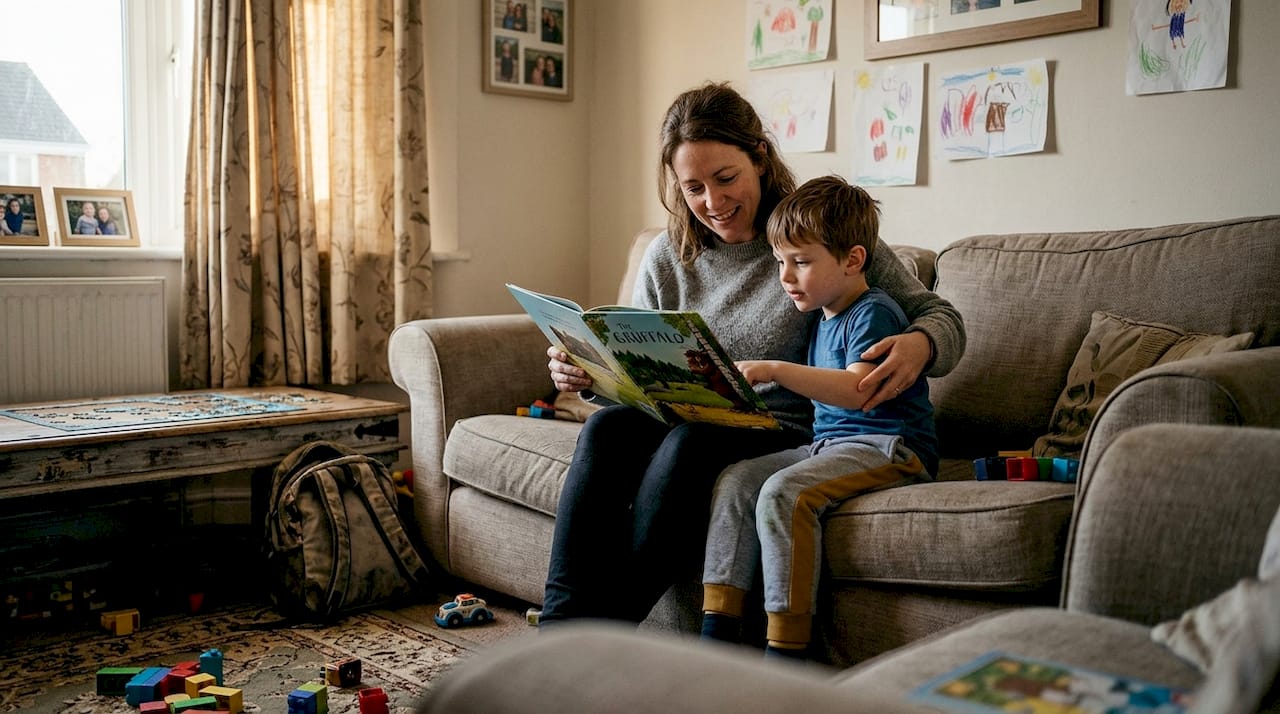
A Home Can Change Without Losing Its Identity
Adaptability does not mean constantly redesigning a home. Personal photographs, familiar furniture, meaningful objects, and favorite gathering places can remain while functional details change around them.
Successful living spaces often develop gradually. Families notice where clutter appears, where people naturally gather, and which rooms are being used differently from their original purpose. Small adjustments can then support those patterns.
Ultimately, a home works best when it grows alongside the people living there. By allowing furniture, storage, technology, and room functions to respond naturally to changing routines, families can create spaces that remain comfortable and useful through many different stages of everyday life.