

Business relocations involve far more than transporting office furniture from one building to another. Commercial moves often include sensitive equipment, important documents, technology systems, warehouse inventory, and carefully planned timelines that must all work together efficiently. Because of these challenges, businesses frequently rely on professional commercial removalists to manage relocations with greater organisation, safety, and operational control.
Professional services connected to Removalists Sydney Locations continue to support businesses by handling the complex logistical demands associated with modern commercial relocations.
Commercial Moves Require Strategic Planning
The amount of planning needed for residential and commercial relocations is one of the main distinctions. Businesses must coordinate employees, departments, technology systems, and operational schedules while minimising disruption to daily activities.
Commercial removalists often begin with structured relocation plans that outline transportation schedules, packing procedures, equipment handling requirements, and workspace setup strategies. Detailed planning helps reduce confusion while ensuring all moving stages remain coordinated.
This strategic approach improves efficiency and helps businesses avoid unnecessary delays during relocation.
Technology Equipment Needs Specialised Handling
Modern businesses depend heavily on technology systems, including computers, servers, printers, communication devices, and networking equipment. These items are often fragile, expensive, and essential for maintaining operations.
Commercial movers use protective materials and specialised handling techniques designed specifically for sensitive equipment transportation. Proper packing and secure loading methods help reduce the risk of damage during transit.
Businesses benefit because professionally handled technology systems can often be reinstalled more smoothly and quickly after relocation.
Business Downtime Must Be Minimised
Operational downtime is one of the greatest concerns during commercial relocations. Every interruption may affect productivity, customer communication, and overall business performance.
Experienced commercial removalists understand the importance of efficiency and timing. Many businesses schedule relocations outside regular working hours or during weekends to reduce operational disruption.
Professional moving teams help streamline transportation and setup processes so businesses can resume normal operations as quickly as possible after the move.

Inventory And Documentation Require Organisation
Commercial relocations frequently involve important files, records, inventory systems, and office supplies that must remain organised throughout the moving process.
Professional movers use structured labelling systems and inventory management methods to track items more accurately during relocation. Organised packing reduces the risk of misplaced materials and helps businesses unpack more efficiently at the new location.
Clear organisation is especially important for businesses handling confidential documents or large quantities of inventory.
Large-Scale Furniture Handling Improves Safety
Commercial environments often include heavy desks, conference tables, storage units, shelving systems, and specialised furniture that require proper lifting techniques and equipment.
Commercial removalists are trained to move bulky items safely while protecting both the property and the furniture itself. Specialised tools and transport equipment help improve handling efficiency while reducing physical risks during the move.
Professional experience becomes especially valuable when navigating elevators, loading docks, staircases, or restricted access areas.
Flexible Services Support Different Industries
Different industries have different relocation needs. Retail businesses, corporate offices, medical facilities, educational institutions, and warehouses all require unique moving approaches.
Commercial removalists often adapt their services according to the type of business being relocated. Some moves may involve sensitive technology equipment, while others focus more heavily on inventory management or furniture transportation.
This flexibility allows businesses to receive relocation support tailored to their operational requirements rather than relying on generic moving solutions.
Communication Supports Better Coordination
Large commercial relocations usually involve multiple teams and decision makers. Clear communication is therefore essential throughout the relocation process.
Professional commercial movers often provide regular updates, scheduling coordination, and structured planning discussions that help businesses stay informed during every stage of the move.
Good communication reduces misunderstandings and allows management teams to make adjustments more effectively when unexpected situations arise.
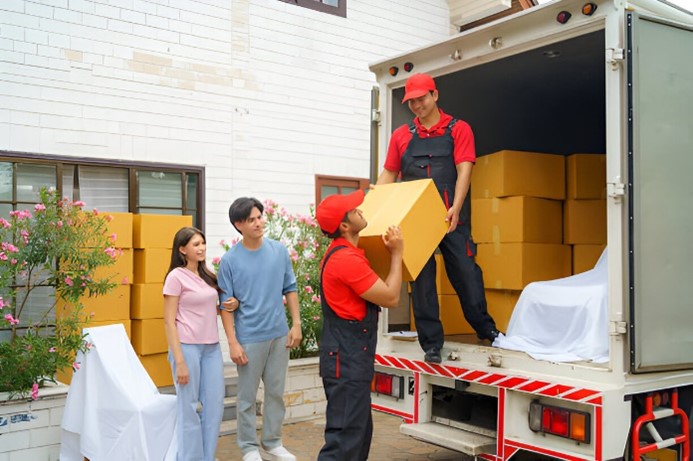
Warehouse And Storage Coordination Adds Complexity
Some commercial relocations involve temporary storage needs or staged transitions between locations. Businesses may need to move inventory gradually while maintaining active operations during the process.
Commercial removalists often coordinate transportation schedules and storage solutions to support these more complicated relocation structures. Their ability to manage staged moves helps businesses maintain better operational continuity.
This level of logistical coordination contributes significantly to overall relocation efficiency.
Professional Expertise Supports Business Growth
Many commercial relocations are connected to business growth, restructuring, or expansion into larger facilities. As businesses evolve, relocation efficiency becomes increasingly important for maintaining productivity and supporting future operations.
Professional removal teams help businesses navigate these transitions more confidently by managing logistics, transportation, and organisation with greater precision and reliability.
Their expertise allows companies to focus more on strategic growth rather than becoming overwhelmed by moving responsibilities.